









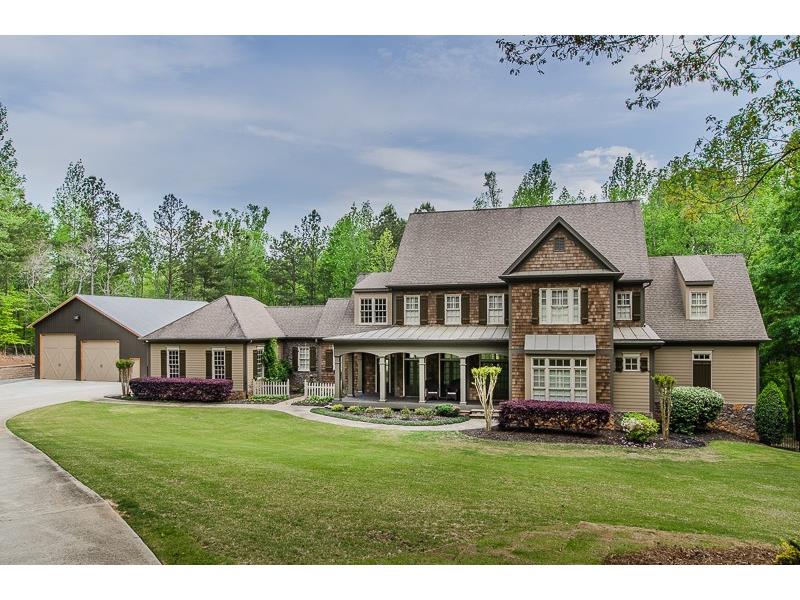



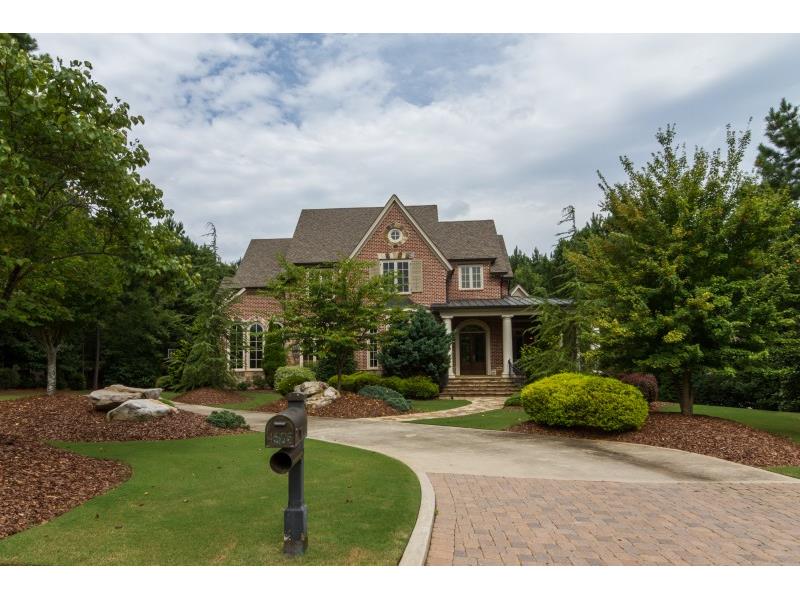


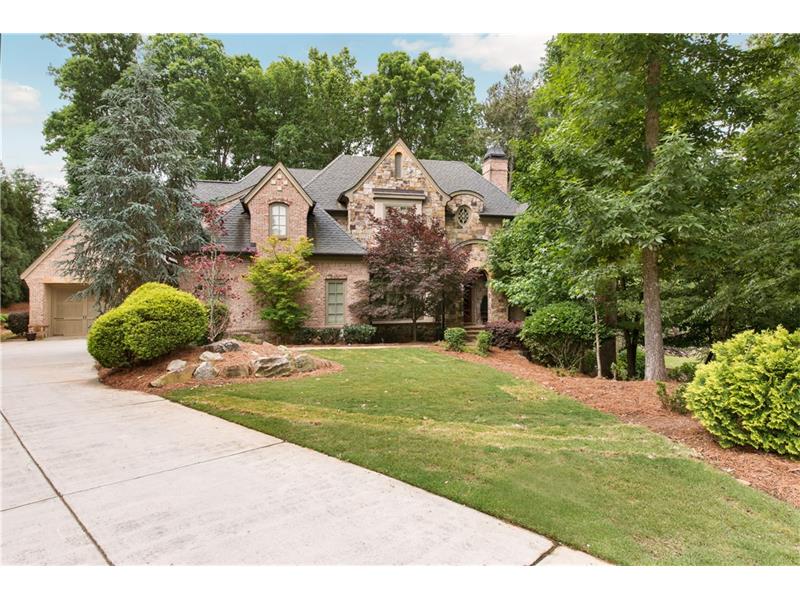

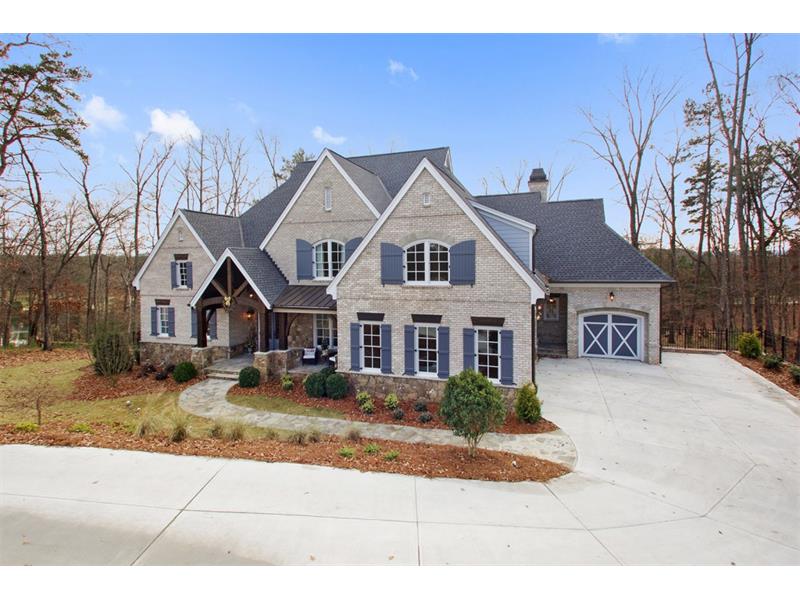

The first method I’ll cover to invest in Real Estate is a shorter term option called “flipping”. Basically, flipping a property is buying a property at a below market price and then selling it at a market price. The property may be purchased below market value because it needs repair, or because the sellers have a need to sell the property quickly. The advantage of flipping a property is that it creates a shorter term profit compared to holding a property. The disadvantage of flipping a property is that one needs to sell it to recapture their expenses. A mortgage or Home Equity Line of Credit (HELoC) may also be used to bring cash back out of the property, but may reduce the overall profit from the sale. When flipping a property, one needs to be very aware of not only the purchase price, but also the full cost of acquisition, renovations, selling the property, and cost of carrying the property. Keep in mind that loan costs for this type of venture are generally more that of a primary residence. Taxes and insurance will also be higher. An investment scenario might look like this:
$165,000- purchase price
$ 1,650- acquisition costs (about 1% of purchase price)
$ 10,000- renovation budget
$ 11,700- carrying costs (budgeted as $1950/mo for 6 months)
$ 18,000- selling costs (6% for real estate commissions, and 2% for other costs)
$225,000- projected sale price after renovation
$ 18,650- projected profit
One thing to keep in mind is that the Return on Investment (RoI) is actually higher than it first appears. Initially, it would appear to be a 10% profit (about $186k invested to return about $18,650). Over a six month span, that isn’t bad. However, the return is actually much higher. Generally, the loan requirements for this type of property will only require 20% down (or less, but at a higher loan cost). So, that means the actual cash investment is closer to $55,000 ($33k down + $10k rehab + $12k carrying costs). This makes the RoI almost 34%. Not bad, but remember this isn’t like owning a stock, there is a lot of work that goes into making this happen. One also needs to be in a position to “carry the property if it doesn’t sell as fast as planned. The bottom line is that if one is realistic in their expectations, a lot of money can be made pretty consistently.
In part two, I’ll cover Buy & Hold strategies, and shifting property classes.